
Quick answer
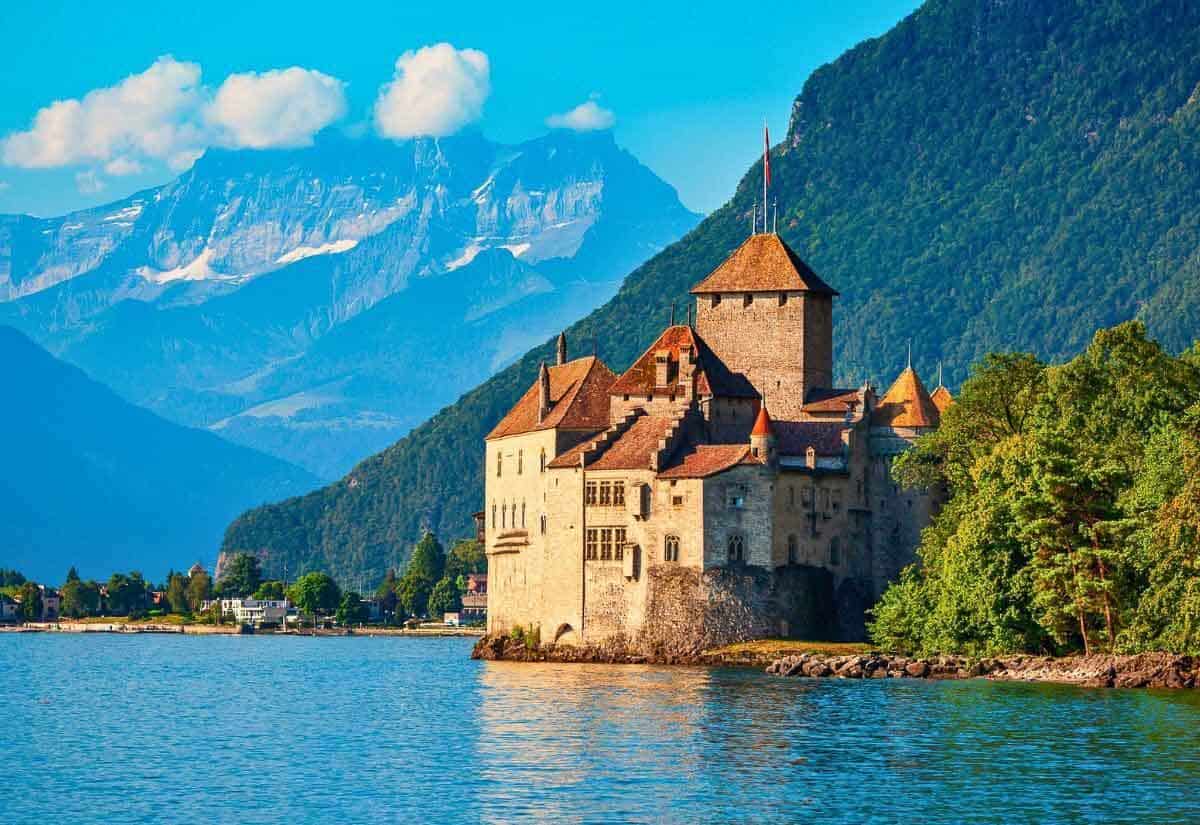
Chillon Castle is famous for three reasons: its role as a medieval stronghold and state prison on Lake Geneva's strategic eastern shore, Lord Byron's 1816 poem "The Prisoner of Chillon" that immortalized the castle in Romantic literature, and its striking lakeside silhouette that has made it Switzerland's most-visited historical monument. The castle's dungeons, great halls, and waterside towers have drawn visitors since the 19th century, cementing its place in both Swiss history and European cultural imagination.
Chillon Castle occupies a limestone island at the narrowest point of Lake Geneva's eastern shore, a position that gave the Counts of Savoy control over the alpine trade route between northern Europe and Italy for nearly four centuries. The fortress predates 1005, when it first appears in written records, and by the 13th century had grown into a fortified residence with vaulted halls, a chapel adorned with frescoes, and a network of underground chambers hewn directly from bedrock. When Bern seized the castle in 1536, those chambers became a state prison. François Bonivard, a Genevan prior who opposed Savoyard rule, spent six years chained to a pillar in the dungeon, and his story reached Lord Byron three centuries later during a storm-delayed tour of the lake. Byron's poem transformed Bonivard into a symbol of endurance, and within decades English and American travelers were arriving by steamboat to carve their names into the dungeon walls. Why is Chillon Castle famous beyond its literary associations? The structure itself is an intact medieval complex, rare for its completeness and its adaptation to natural terrain. The great hall retains its wooden ceiling and heraldic paintings. The keep rises five stories above the water. The ramparts follow the island's contour, and the restoration work begun in the 19th century preserved original features rather than inventing them. The castle's setting amplifies its appeal: the north-facing façade reflects in the lake, framed by the peaks of the Dents du Midi, and the shoreline path from Montreux delivers the approach that 19th-century Romantics described in their journals. Today the castle receives more than 400,000 visitors each year, drawn by the convergence of architecture, landscape, and narrative. The dungeons remain the most-visited chambers, but the residential quarters and defensive towers offer equal insight into how a fortress functioned at the edge of Savoy's northern frontier. The castle's renown rests on verifiable history, a poet's imagination, and a location that continues to justify both.
“The castle's dungeons, great halls, and waterside towers have drawn visitors since the 19th century, cementing its place in both Swiss history and European cultural imagination.”
Why Is Chillon Castle Famous: Architectural and Literary Legacy
Chillon Castle holds significance due to its strategic placement on Lake Geneva and its long-standing presence in European literature. Its preservation as a water castle offers a unique view into medieval fortification and historical detention.
1,000 years of documented history
Chillon Castle has been inhabited or used as a fortification for a millennium, with its earliest recorded presence dating back to the 12th century under the House of Savoy.
25 meters of natural rock foundation
The castle is built on an elongated limestone island that rises out of Lake Geneva, providing a natural defense that dictated the structure's distinct shape.
1816 Lord Byron’s poetic influence
Lord Byron visited the castle in 1816, leading him to write 'The Prisoner of Chillon', which immortalized the dungeon where Francois Bonivard was held.
1530 imprisonment of Francois Bonivard
The Genevan monk and politician Francois Bonivard was famously held captive in the castle's dungeon from 1530 to 1536 before his release by Bernese forces.
3 distinct architectural eras
The structure reflects Romanesque, Gothic, and Renaissance influences, owing to its development through the periods of Savoyard, Bernese, and Vaudois control.
25,000 square meters of total area
The complex consists of 25 independent buildings and three courtyards, serving as a residence, a military fortress, and a state prison throughout its operation.
Notable Features Defining Why Is Chillon Castle Famous
Chillon Castle preserves a significant collection of medieval architecture and defensive design. These key areas illustrate the structural evolution and functional layout of the fortress over several centuries.
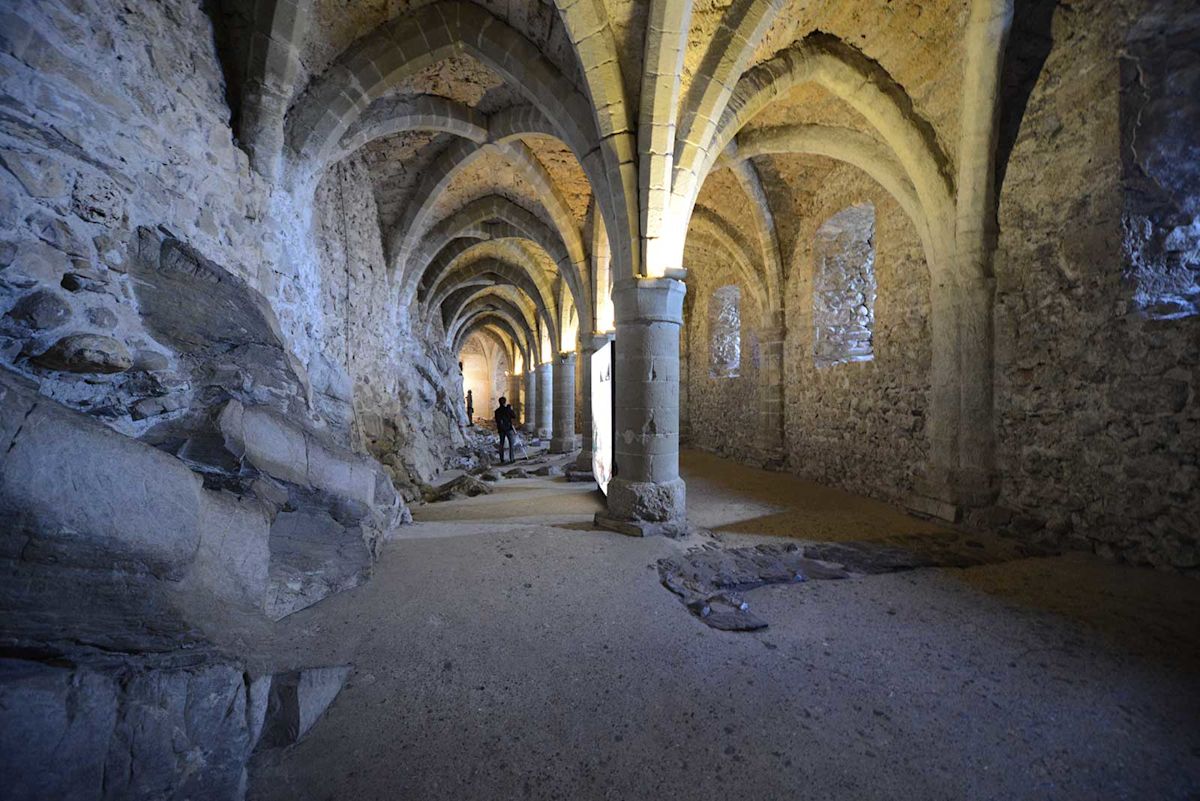
The Dungeon
This rock-cut subterranean space is famous for its association with François Bonivard, who was imprisoned here from 1530 to 1536.
Observe the inscriptions left by historical prisoners on the stone walls.
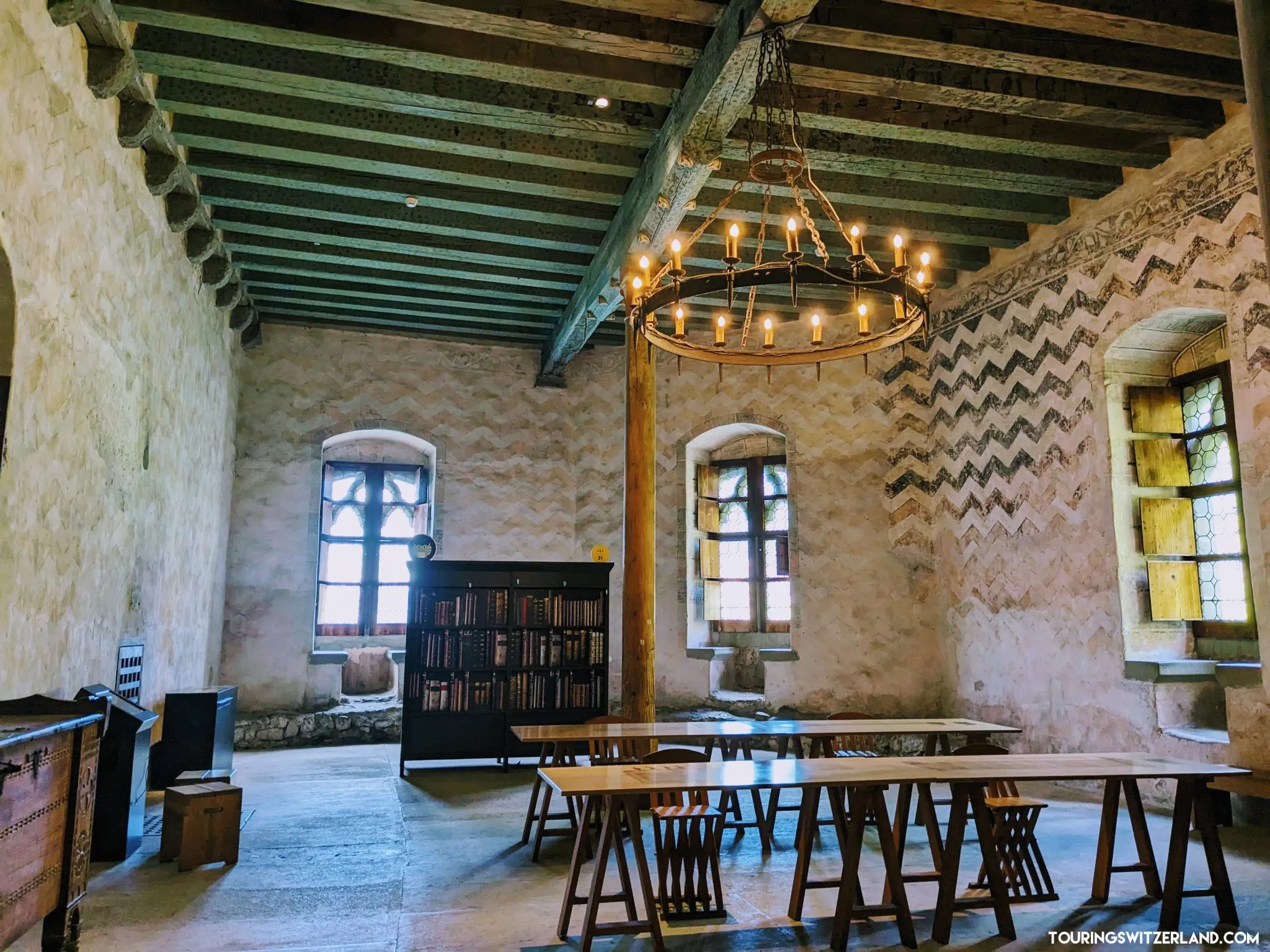
The Great Halls
These chambers feature original 14th-century wooden ceilings and large windows providing views across Lake Geneva.
Visit during the morning to see the light on the wooden beams.
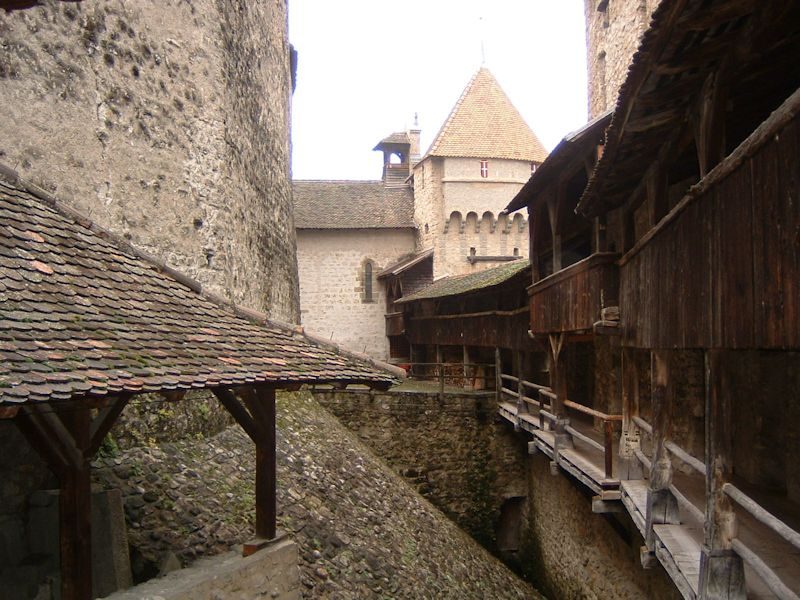
Defensive Ramparts
These exterior fortifications allowed soldiers to oversee the strategic passage between the lake and the mountains.
Walk the full length to identify the original arrow slits.
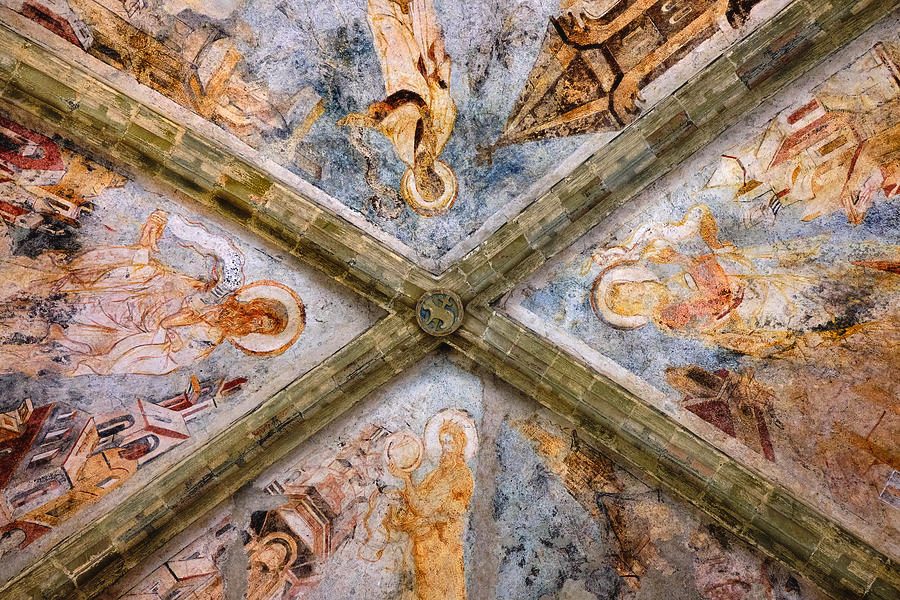
Camera Domini
This room contains well-preserved 14th-century wall paintings depicting floral and geometric motifs.
Look for the subtle paint traces near the vaulted ceiling.
Sights Near Chillon Castle and Why They Complement the Visit
The region surrounding Chillon Castle offers diverse cultural and leisure experiences that align well with a day trip from Geneva. Combining the medieval history of the castle with the town's lakeside atmosphere or cinematic heritage creates a balanced regional itinerary.
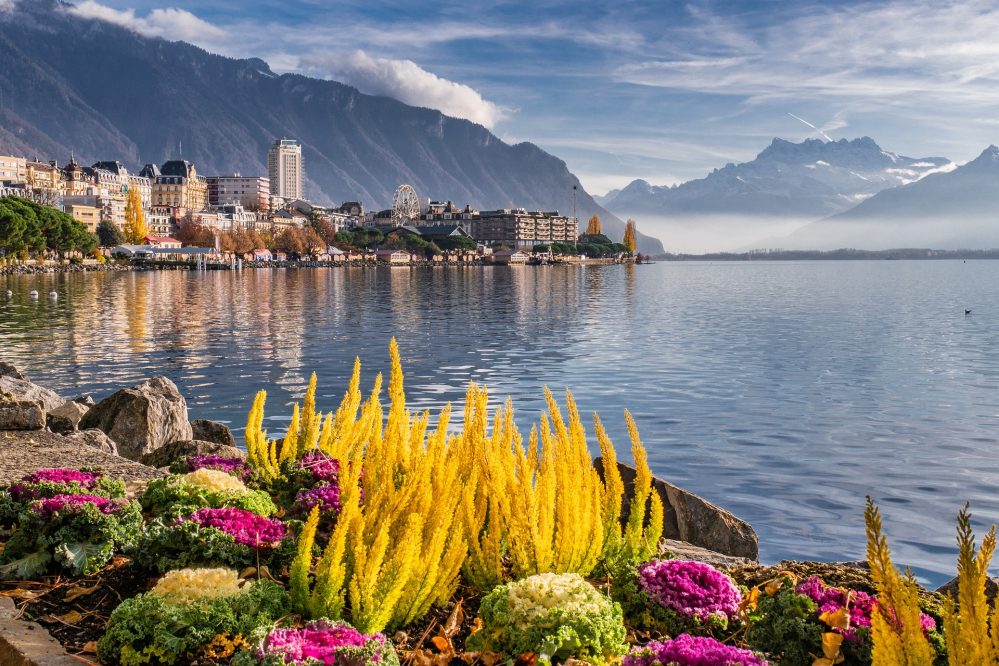
Montreux
The town is located just minutes away and provides a scenic lakeside promenade that contrasts the historical intensity of the castle. Visiting allows for a transition from medieval architecture to modern Swiss Riviera culture.
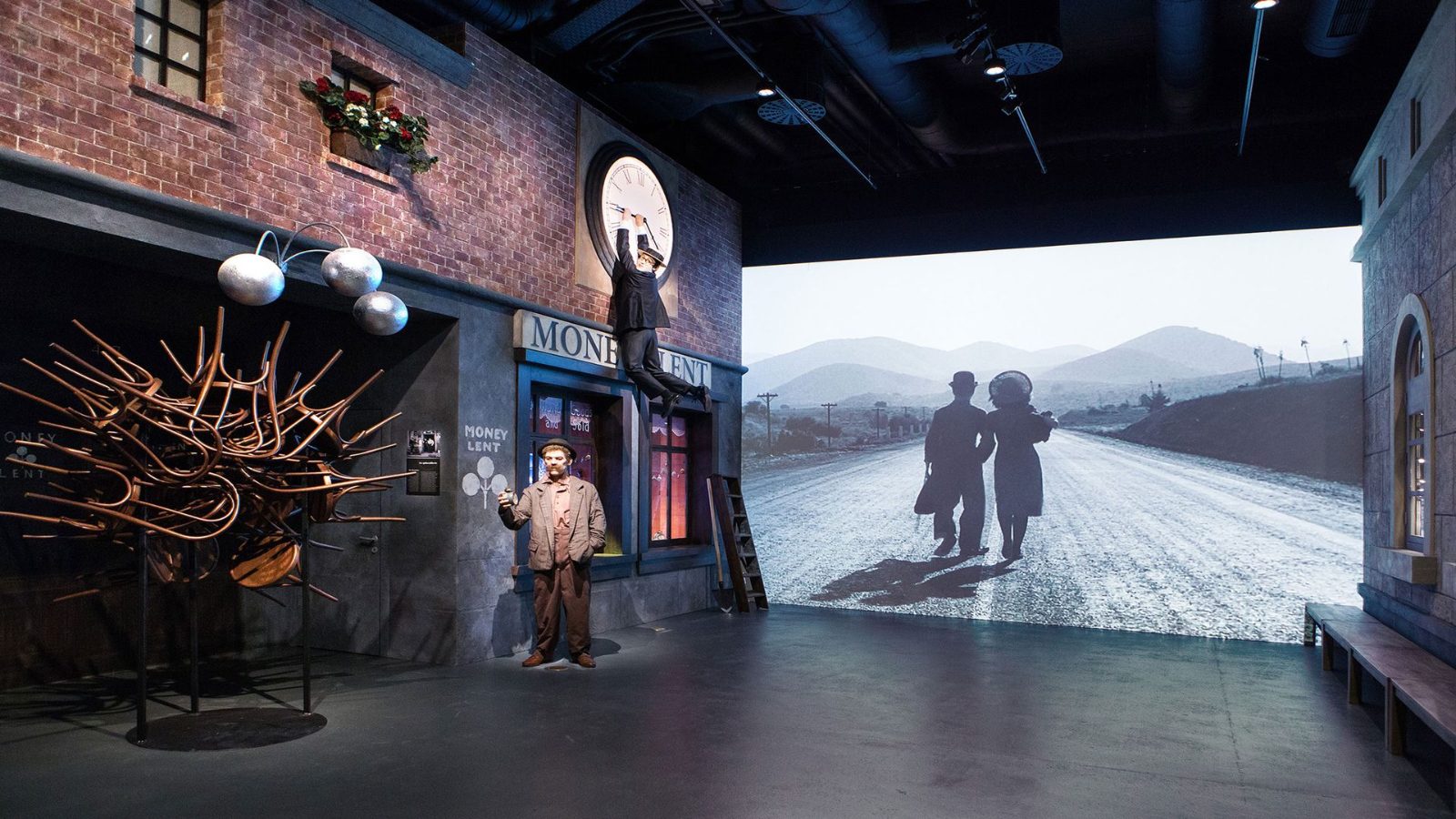
Chaplin's World
Located in Corsier-sur-Vevey, this museum dedicated to Charlie Chaplin complements the trip by focusing on 20th-century entertainment history. It offers an indoor cultural experience that pairs effectively with a morning tour of the castle.
How to Get to Chillon Castle from Geneva and Montreux
Chillon Castle is located on the shores of Lake Geneva, just south of Montreux. It is most easily reached via the Swiss Federal Railways (SBB) network followed by a short local connection or scenic walk.
SBB InterRegio from Geneva Cornavin to Montreux
VMCV Line 201 from Montreux Station to Veytaux, Chillon
CGN lake steamer from Montreux to Chillon
Lakefront promenade from Montreux train station
Opening Hours for Why Is Chillon Castle Famous
Chillon Castle is open daily throughout the year, with operating hours extending during the warmer months. It closes only on December 25th and January 1st.
| Monday | 09:00 – 19:00 | April to September |
|---|---|---|
| Tuesday | 09:00 – 19:00 | April to September |
| Wednesday | 09:00 – 19:00 | April to September |
| Thursday | 09:00 – 19:00 | April to September |
| Friday | 09:00 – 19:00 | April to September |
| Saturday | 09:00 – 19:00 | April to September |
| Sunday | 09:00 – 19:00 | April to September |
Hours shift seasonally; from November to February, the castle is open from 10:00 to 17:00, while March and October offer intermediate hours between the summer and winter schedules.
Check availability
Frequently asked questions about why is chillon castle famous
Everything you need to know about why is chillon castle famous