

Quick answer
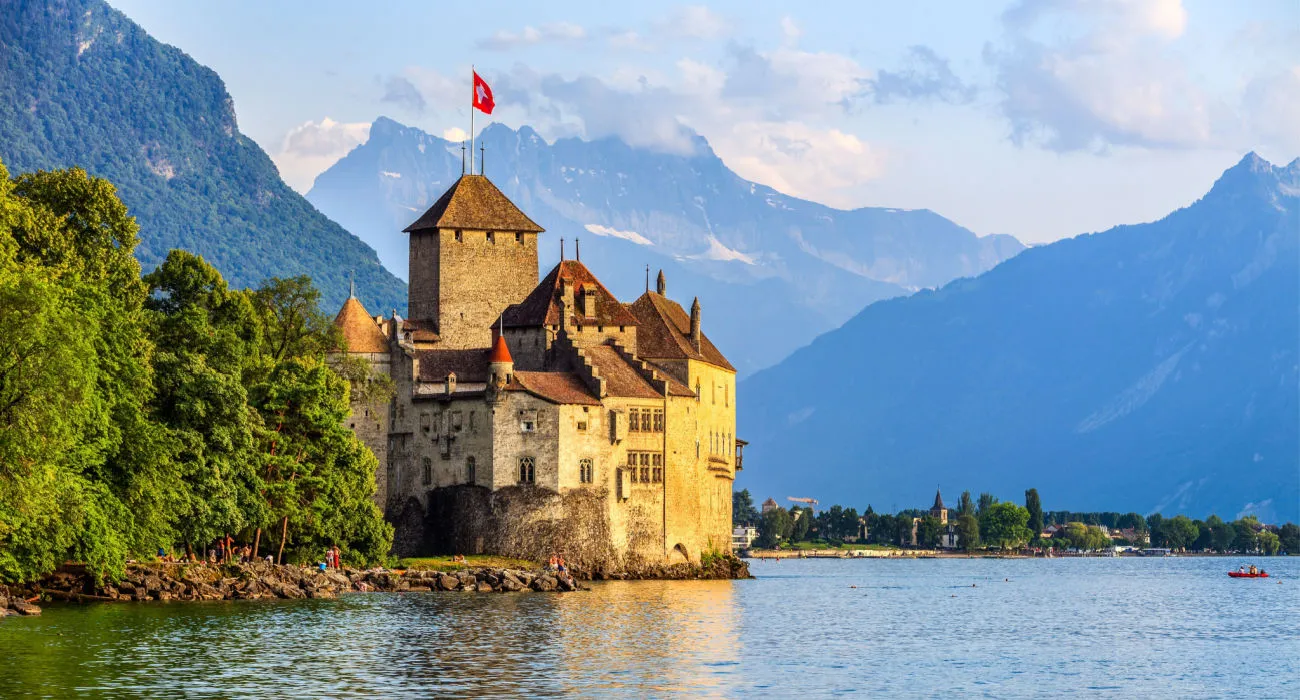
The history of Chillon Castle in Switzerland begins with Roman-era occupation, but the present fortress was constructed by the House of Savoy starting in the 1150s. Pierre II of Savoy expanded the complex into a fortified residence and toll station controlling the alpine trade route between Italy and northern Europe. The castle served as a state prison in the 1500s, holding reformer François Bonivard in its dungeon—a captivity immortalized by Lord Byron's 1816 poem, which transformed Chillon into a Romantic pilgrimage site.
The island of Chillon has been fortified since at least the 10th century, when the first written records describe a stronghold controlling the narrow passage between lake and mountain. By 1150, the Counts of Savoy recognized its strategic value: the castle commanded the only viable road linking the Rhône valley to the alpine passes into Italy. Over the next two centuries, Savoy rulers transformed the site into one of Europe's most sophisticated lake fortresses, layering defensive walls, residential quarters, and a Gothic chapel with frescoes that still glow in the dim light. The castle reached its zenith under Pierre II of Savoy in the mid-1200s, when architects raised the Great Hall and fortified the lakeward ramparts. Merchants traveling the Saint Bernard Pass paid tolls here, filling Savoy coffers and funding further construction. The castle's military importance faded after the Bernese conquest in 1536, but its role as a state prison persisted. François Bonivard, prior of Saint Victor's monastery in Geneva, spent six years chained to a pillar in the underground vaults for opposing the Duke of Savoy. His imprisonment might have remained a footnote, but Lord Byron visited the dungeon in 1816 and composed "The Prisoner of Chillon," a narrative poem that turned the fortress into a symbol of Romantic defiance. Byron carved his name into a stone column, and visitors have followed ever since. The castle's history shifted again after Swiss independence, when the Canton of Vaud began systematic restorations in the 1890s. Architects stabilized the towers, uncovered medieval wall paintings, and opened the complex to the public as a heritage monument. Today, the Château de Chillon draws over 400,000 visitors annually, making it Switzerland's most visited historic site. The dungeons, armory, and residential chambers remain largely intact, offering a layered narrative of Savoy ambition, Bernese conquest, and the literary myth that made Chillon Castle a destination. The site's longevity rests on its island position—isolated enough to defend, close enough to the shore to supply—and the durability of its medieval construction. Stone walls two meters thick absorbed centuries of political change without collapsing. Walking through the castle today means moving through architectural strata: Roman foundation stones beneath Savoy Gothic arches, Bernese modifications atop earlier work, and 19th-century restorations that preserved rather than erased the past.
“Byron carved his name into a stone column, and visitors have followed ever since.”
The Centuries-Long History of Chillon Castle in Switzerland
Chillon Castle occupies a limestone outcrop on Lake Geneva's eastern shore, a site fortified since the Bronze Age and systematically occupied by Roman legions controlling the Alpine route between Italy and northern Gaul. By the tenth century, the Counts of Savoy recognized the strategic importance of this narrow passage and began constructing a fortified residence; the oldest surviving stone structures date to 1150, when Count Humbert III commissioned the first stone keep and curtain walls. Over the following two centuries, the Savoyards expanded the complex into a formidable military and administrative center, adding defensive towers, vaulted dungeons, and the grand halls that still define the castle's silhouette. The history of chillon castle in switzerland is inseparable from the sixteenth-century imprisonment of François Bonivard, the Genevan prior held in the castle's subterranean dungeon from 1530 to 1536 for supporting independence from Savoy. Byron immortalized Bonivard's captivity in *The Prisoner of Chillon* (1816), carving his name into one of the dungeon pillars during his 1816 visit—a signature visible to visitors today. Bernese forces seized the fortress in 1536 during the Protestant Reformation, converting it into an arsenal and administrative seat for the canton of Vaud; bailiffs governed from Chillon's ceremonial chambers for over two centuries, leaving heraldic frescoes and Renaissance woodwork throughout the residential quarters. By 1803, the canton of Vaud assumed full control following the collapse of Bernese rule, and extensive archaeological restoration began in 1887 under architect Albert Naef, who stabilized the medieval masonry and cataloged the castle's layered defenses. Today, visitors walk the same cobbled courtyards where Savoyard knights assembled, descend into the vaulted cellars that held Bonivard, and trace Byron's pilgrimage route through chambers where seven centuries of fortification, captivity, and preservation converge on the lakeshore.
Counts of Savoy establish the first fortifications on the limestone outcrop to control the Alpine passage between Italy and northern Europe.
Count Humbert III commissions the earliest surviving stone keep and defensive curtain walls, anchoring the castle's medieval core.
François Bonivard, prior of St. Victor's in Geneva, is imprisoned in the castle's subterranean dungeon for opposing Savoyard rule.
Bernese forces capture Chillon during the Protestant Reformation, transforming the fortress into an arsenal and administrative center for the canton of Vaud.
Lord Byron visits the castle and carves his name into a dungeon pillar, later publishing *The Prisoner of Chillon* and securing the site's place in European Romantic literature.
Canton architect Albert Naef initiates comprehensive archaeological restoration, stabilizing medieval structures and documenting seven centuries of fortification.
Daily Opening Hours for Visiting the History of Chillon Castle in Switzerland
Chillon Castle welcomes visitors throughout the week with consistent operating hours. Planning your arrival within the daily schedule allows for a thorough exploration of the site.
| Monday | 10:00–17:00 | |
|---|---|---|
| Tuesday | 10:00–17:00 | |
| Wednesday | 10:00–17:00 | |
| Thursday | 10:00–17:00 | |
| Friday | 10:00–17:00 | |
| Saturday | 10:00–17:00 | |
| Sunday | 10:00–17:00 |
Nearby Attractions Complementing the History of Chillon Castle in Switzerland
Exploring the region surrounding Chillon Castle allows visitors to connect the site's medieval heritage with the modern cultural landscape of the Swiss Riviera. These nearby locations offer a comprehensive view of the area's diverse historical and artistic significance.
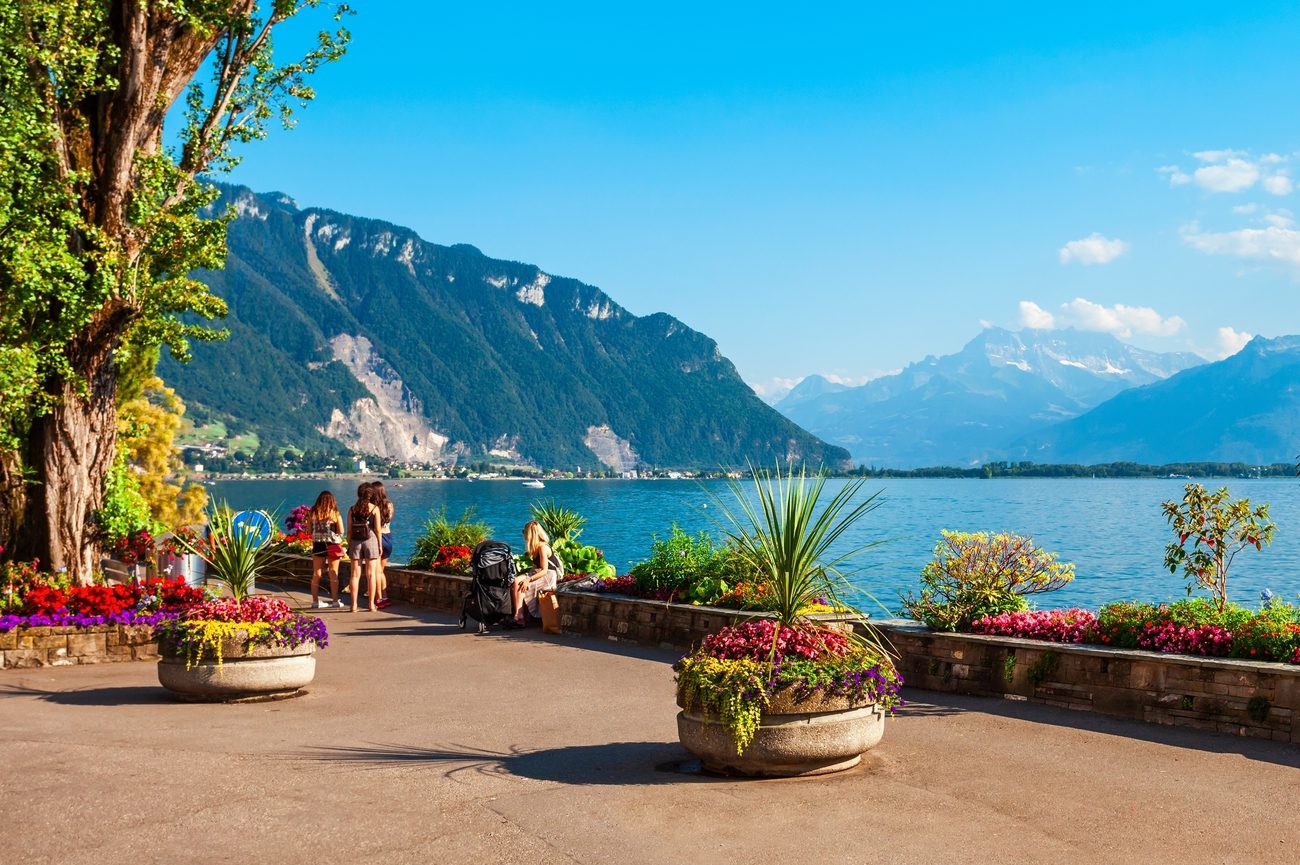
Montreux
This lakeside town provides a transition from the castle's medieval atmosphere to the Belle Époque architecture and jazz culture of the 20th century.
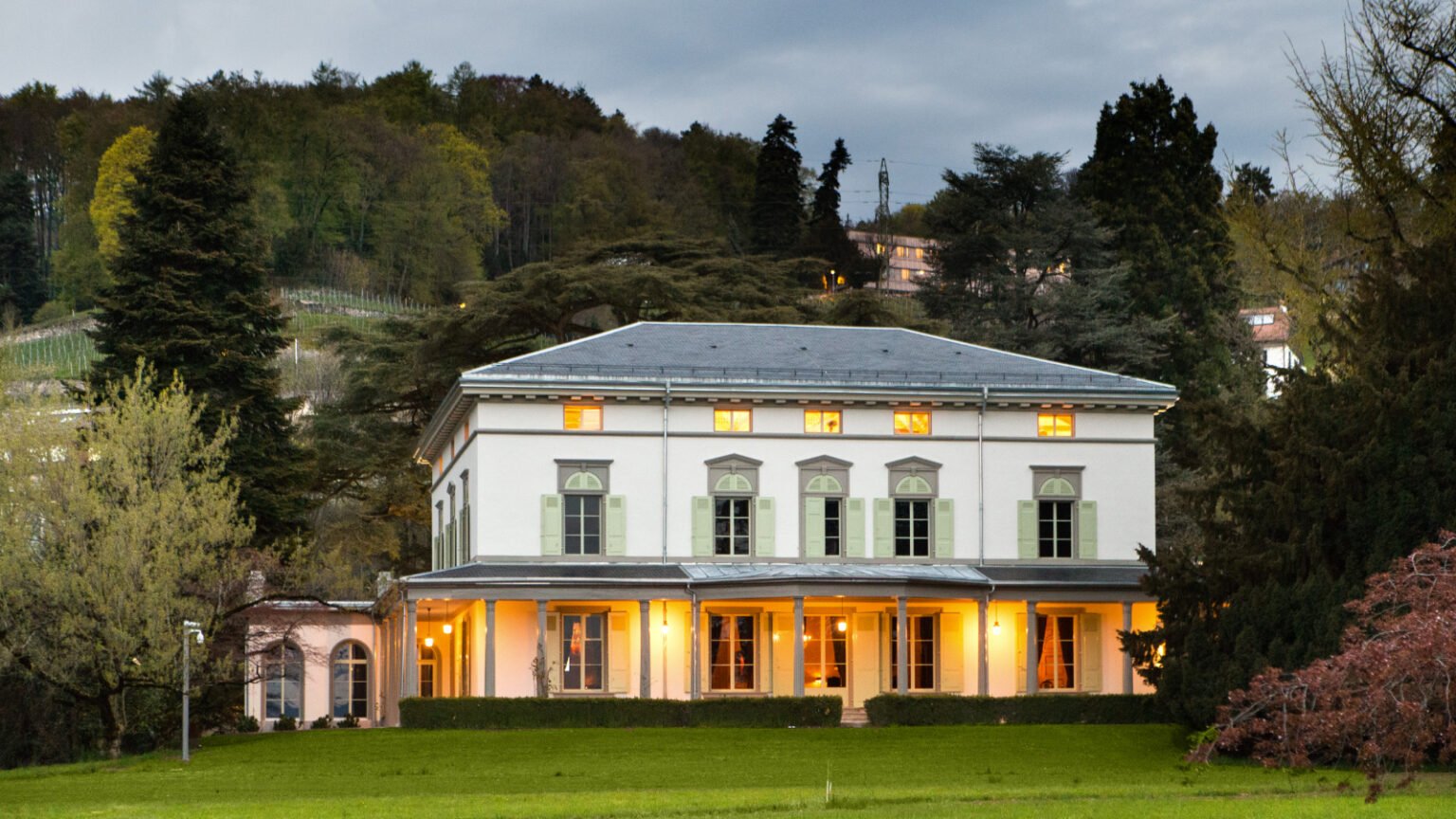
Chaplin's World
Located at Route de Fenil 2, 1804 Corsier-sur-Vevey, this museum dedicated to Charlie Chaplin complements a historical tour by offering insight into the life of one of the region's most famous residents.
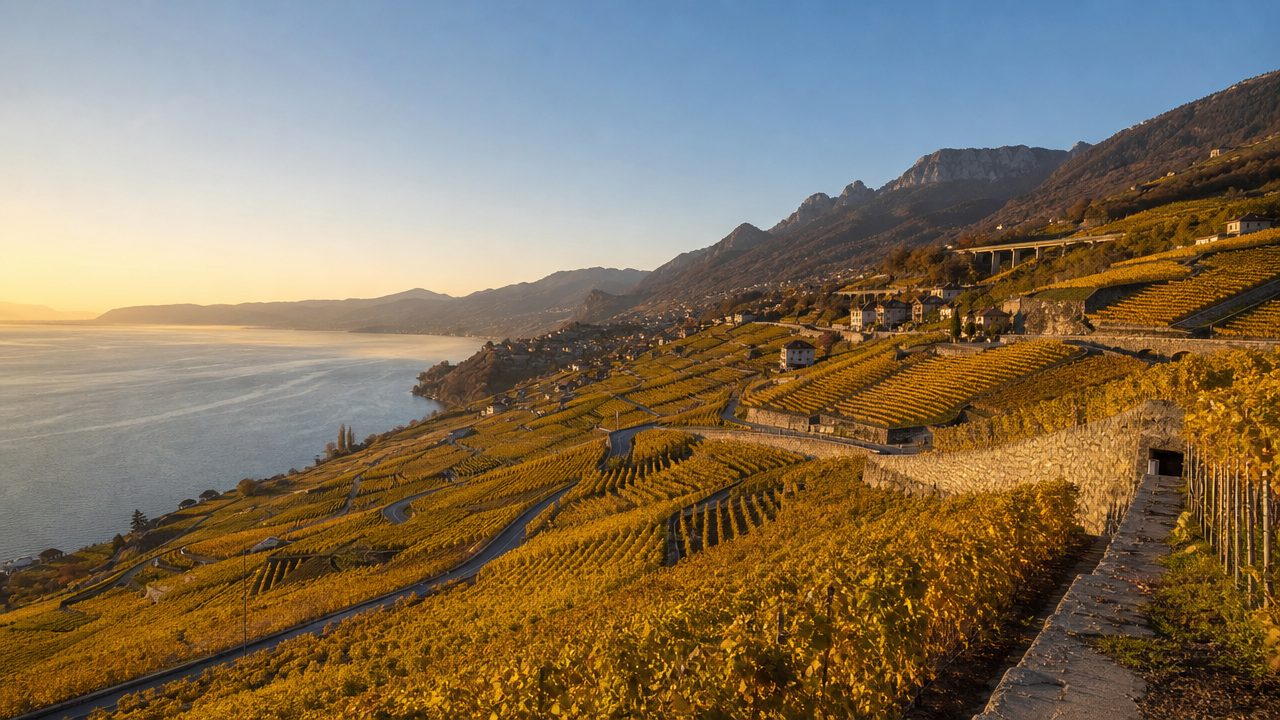
Lavaux Vineyards
These terraced vineyards are a UNESCO World Heritage site that provides historical context for the agricultural and economic development of the region surrounding the castle.
Optimal Timing to Experience the History of Chillon Castle in Switzerland
The best arrival window is 10:00–16:00 to avoid peak crowds and ensure sufficient time for the 2.5-hour tour. Arriving at opening allows for a comprehensive exploration of the site before the afternoon influx.
Spring (April–May)
Moderate crowdsMild, 10°C to 18°C
Flowers bloom and temperatures remain comfortable for walking.
Summer (June–August)
High visitor volumeWarm, 18°C to 25°C
This period experiences the highest traffic due to regional tourism.
Autumn (September–October)
Moderate to lowCool, 8°C to 16°C
Clear skies and fewer visitors create a quieter environment.
Weekday mornings
Minimal congestion—
Visiting between Monday and Friday at 10:00 provides the most space for touring.
Verdict: The optimal time to visit is Tuesday to Thursday at 10:00 during the months of April or October.
Check availability
Frequently Asked Questions About Chillon Castle
Everything you need to know about history of chillon castle in switzerland